Blog: Travel, culture, family and the lessons that stay.
This blog is a collection of stories and reflections shaped by lived experience, especially the years I spent living in Japan.
Here, you’ll find writing about travel, culture, family life, work, health, community, and the small lessons that quietly change how we live.
Some posts are reflective. Some are practical. All are written with care.
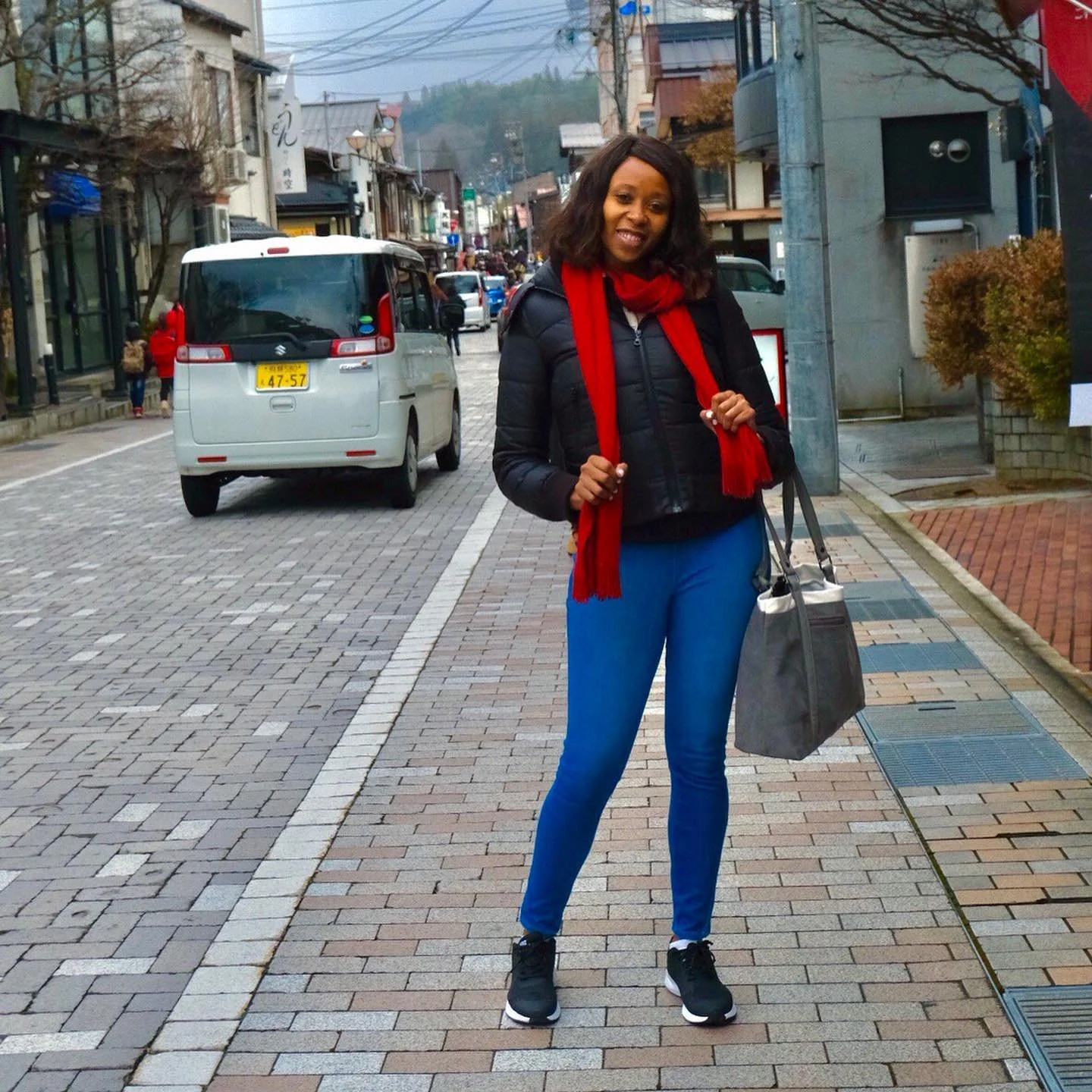
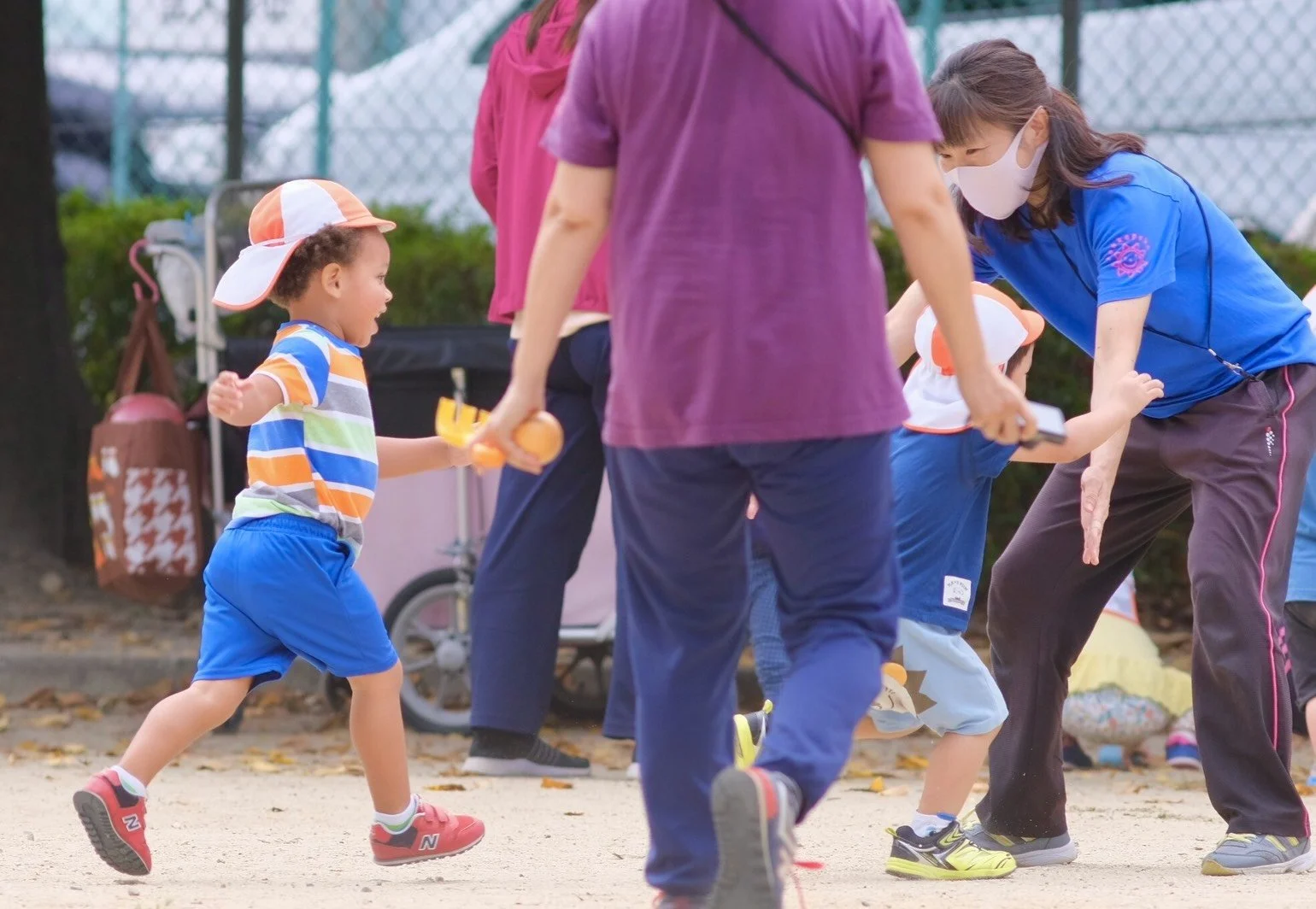
Raising a Child Between Worlds: When Travel Became His Classroom
There was a season of our life that I often find myself returning to.
A quieter season, in fact, a slower one. When our son was still so little, just 7 months old, and we were living in Japan.
It was also the season where we found ourselves doing something we hadn’t fully planned for, but grew to deeply appreciate: a blend of homeschooling at home, and sending him to a Japanese daycare a couple of days a week.
At the time, it felt simple. Practical, even. But looking back now, I realize how much we were learning alongside him. In Japan, learning didn’t feel forced. It was happening all around us; quietly, consistently, and often without words.
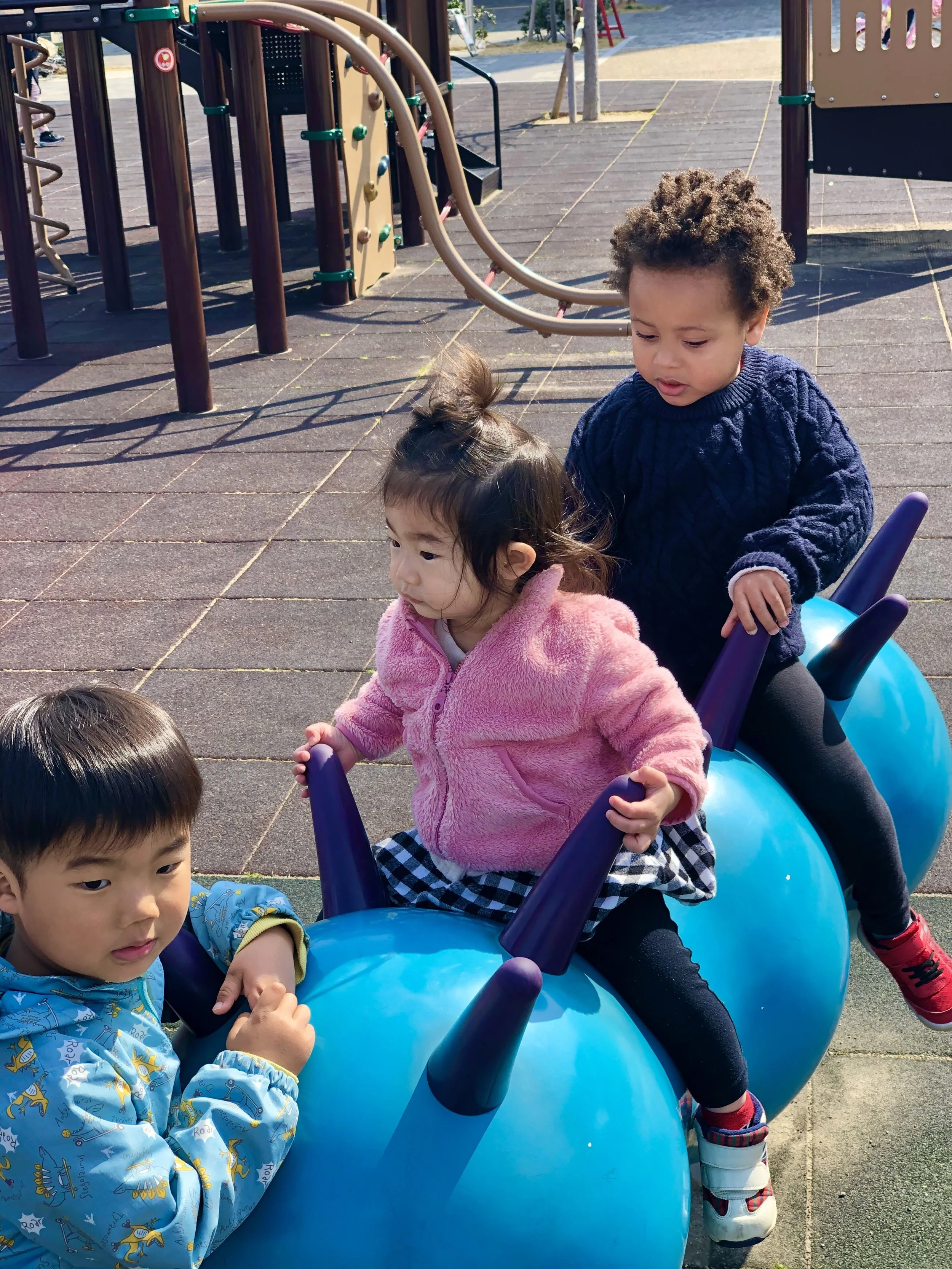
On the days he went to daycare, we would sometimes ride over to the nearby park where the children would go to play. We didn’t interrupt. We didn’t call him over.
We just watched.
And what we saw stayed with us. Even at such a young age, the children were given a sense of responsibility that surprised us. Not in a heavy or overwhelming way but in a quiet, steady trust. They were encouraged to try things on their own. To move through space with awareness. To be part of a group, not just as individuals, but as contributors to a shared environment.
At home, our days looked different. Slower. More flexible. We followed his curiosity, his energy, and his rhythms. And then, a couple of days a week, he stepped into a completely different environment, structured, communal, and deeply rooted in Japanese culture. What struck me most wasn’t the difference between the two, but how naturally they complemented each other.
One nurtured freedom. The other nurtured awareness of others. And somehow, together, they created balance.
There are things Japan teaches you without ever explaining them. Through observation. Through repetition. Through the way people move, interact, and exist in shared spaces.
And it was through that experience that we truly began to understand something we had heard before, but hadn’t fully lived yet: That the world could be his classroom. Not in a structured or formal way. But in the way life unfolds when you step into new places, new cultures, and new ways of doing things.
We started to see our family travels differently. They weren’t just trips anymore. They became teachable moments.
We had often been told that once you have children, travel slows down… or stops altogether. But we weren’t ready to let go of that part of our life. So we kept traveling. Not in the same way as before, because it couldn’t be. Traveling with children requires a different pace, a different kind of planning, and a different kind of presence. But in many ways, it became even more meaningful.
As our son grew, we began shaping our travels around what he was naturally drawn to. He became our guide in many ways. He was the reason we had a submarine experience in Guam when he was three. The reason we flew in a helicopter when he was two. Those were the things that lit him up at the time and we followed that. He was also the reason we drove all the way to Canada for his 8th birthday, just so he could return to an outdoor trampoline park he had experienced years before and never forgot.
And now, he’s one of the biggest reasons we’re planning a trip back to Japan. He wants to go back to the parks he played in. The places that, in some small way, shaped his earliest years. Some he remembers. Some he doesn’t.
But when we show him photos and videos, there’s a sense of wonder… almost like he recognizes a piece of himself there. He also wants to show his little sister where he was born. And if that isn’t a meaningful history lesson… I’m not sure what is.
Now, as a family of four, with our 2.5-year-old already growing up in a life of travel, we continue to approach things the same way. We travel differently than we once did. But we travel with the same intention. We travel with awareness. And we travel with our children at the center of the experience.
Not just for what we want them to see, but for what they might discover.
Because sometimes, the most meaningful learning doesn’t come from what we plan to teach… but from the places we go, the moments we follow, and the experiences we choose to share together.
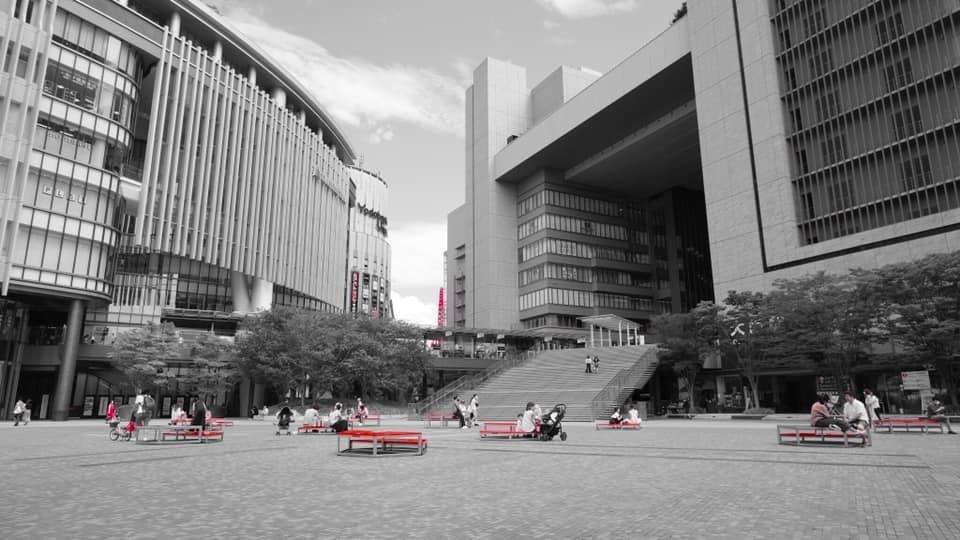
What Travel to Japan Actually Feels Like
Japan is often talked about in lists.
Where to go.
What to eat.
What to see.
But what people don’t always talk about is how it actually feels to be there. We used to joke that going to Japan felt like landing on a different planet. And in some ways, it does. You leave the U.S., and suddenly you’re a day ahead, stepping into a place that feels both ahead of its time and deeply rooted in the past at the same time.
One moment you’re on a high-speed train gliding across the country, and in what feels like minutes, you’re standing in the quiet, traditional streets of Kyoto.
Futuristic train stations.
Ancient temples.
All existing side by side, as if it’s the most normal thing in the world.
And then you start to notice how things work. Almost… too well. You step onto a bus or a train, and the driver or conductor greets you with a bow. You walk into a store, and voices call out a warm welcome.
You leave, and they send you off just as kindly.
It’s not loud or forced. It’s just… consistent.
Even the smallest details feel thoughtful.
A cold towel placed in your hands in the summer. A warm one in the winter. Little things that make you feel cared for without anyone needing to say much at all.
You begin to notice how people move through their day. Many carry small bags for their trash, holding onto it until they find a place to dispose of it. Some carry hand towels with them, knowing not every restroom will have paper towels.
No one explains these things. You just observe… and slowly, you start to do the same.
There’s a level of cleanliness and care that stands out immediately.
In big cities around the world, you might feel the need to be alert, to hold onto your belongings a little tighter.
In Japan, it’s different. It’s one of the few places where you could lose something and not immediately feel panic. Because more often than not, it finds its way back.
And then there are the crowds. Because yes, Japan can be crowded.
But what surprises people most is the sound. Or rather… the lack of it. You expect noise. You expect chaos. Instead, you find order.
People line up without being told.
Escalators, train platforms, shop queues… everything flows.
Even in the busiest places, there’s a quiet rhythm to how people move. Movement itself becomes part of the experience. The walking feels endless.
To the station.
Through the station.
Up the stairs.
Down the stairs.
And then walking again to wherever you’re going.
And yet, it doesn’t feel like exercise. It just feels like life.
And then there’s the food… Meals that leave you satisfied, but not heavy. Convenience stores that serve fresh, affordable food you actually look forward to eating. Quick stops that feel anything but rushed.
You notice the details everywhere.
Bookstores with quiet corners and cafés tucked inside.
Rooftop spaces where you can step away from the city for a moment.
Trains where you can sit, read, or simply watch the world go by in peace.
There’s precision. Order. Simplicity. And at the same time, incredible innovation.
You can walk into a store, place your items down, and check out seamlessly, while still finding traditional elements preserved just steps away.
But what stays with you most… is the people.
Because kindness in Japan isn’t always spoken.
It’s shown.
In gestures.
In awareness.
In the way people move around one another. In the way they take care of shared spaces without expecting anything in return.
It’s a kind of care that feels quiet, but constant.
And over time, you begin to feel it.
And then… you begin to carry it.
Japan isn’t just a place you visit.
It’s something you experience slowly, quietly, and often without realizing it in the moment.
And long after you leave, you find yourself remembering not just what you saw, but how it felt to be there.
And maybe that’s why I care so deeply about how people experience Japan; because it’s not just about where you go, but what stays with you after you leave.
The Small Things I Miss About Japan
It’s never the big things I miss first.
Not the landmarks or the bucket-list experiences people often associate with Japan.
It’s the small things… the ones you don’t think about until they’re no longer part of your everyday life.
I was on a video call with my sister the other day. She still lives in Osaka, and as we were talking, she walked into a convenience store.
Behind her, I spotted something instantly familiar rows of hot lemon drinks in bottles. The kind I used to pick up on cold mornings without even thinking. It stopped me for a moment. I could almost feel what it was like to hold one in my hands again.
Then she mentioned she couldn’t find a trash can and was walking around with napkins in her hand.
Without thinking, I told her, “Check near the front, or just outside the entrance.”
A few seconds later, she laughed.
“How do you still remember these little things?” she said.
“I can’t believe you’re all the way in America and still helping me find things in a conbini (convenient store) in Japan.”
We both laughed… but it stayed with me.
Because those are the things that don’t leave you.
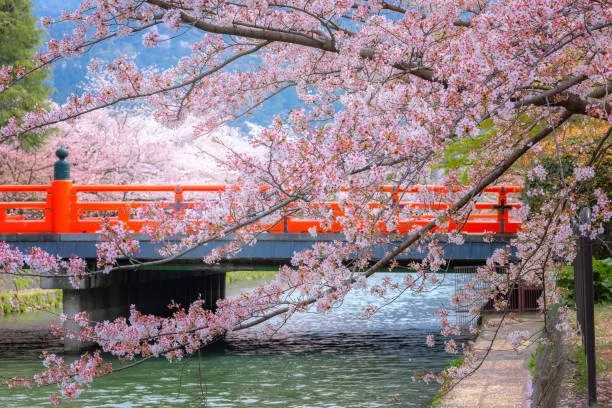
Around this time of year, I start seeing the sakura forecasts again.
Maps shared across social media, predicting when the cherry blossoms will bloom across the country. They’re never exact, the weather always has the final say - but that’s part of the beauty of it.
There’s a quiet excitement in watching those forecasts, in planning where to go, in not quite knowing if you’ll catch them at their peak.
And then come the photos.
Without fail, my phone fills with messages from friends in Japan of soft pink blossoms lining rivers, framing temples, scattered across parks. It’s become an unspoken tradition, one that connects us year after year.
For a moment, distance disappears.
I find myself missing things I never thought I would notice.
Seasonal foods that appeared and disappeared without announcement. Mochi that tasted just right in its moment. The rhythm of school years starting in April, and the feeling of closure that came with graduation ceremonies just before spring.
My sister mentioned she was heading to one, and suddenly I was back in those years of classrooms, routines, students moving on, seasons turning quietly in the background.
Fourteen years of life shaped by a calendar that felt different, but eventually became my own.
It’s strange how memory works.
You don’t always miss the big moments first.
You miss the habits.
The routines.
The small, repeated details that once felt ordinary.
The things that made life flow without effort.
And maybe that’s what stays with us the longest.
Not just where we went, but how we lived while we were there.
In Japan, We Walked for a Living
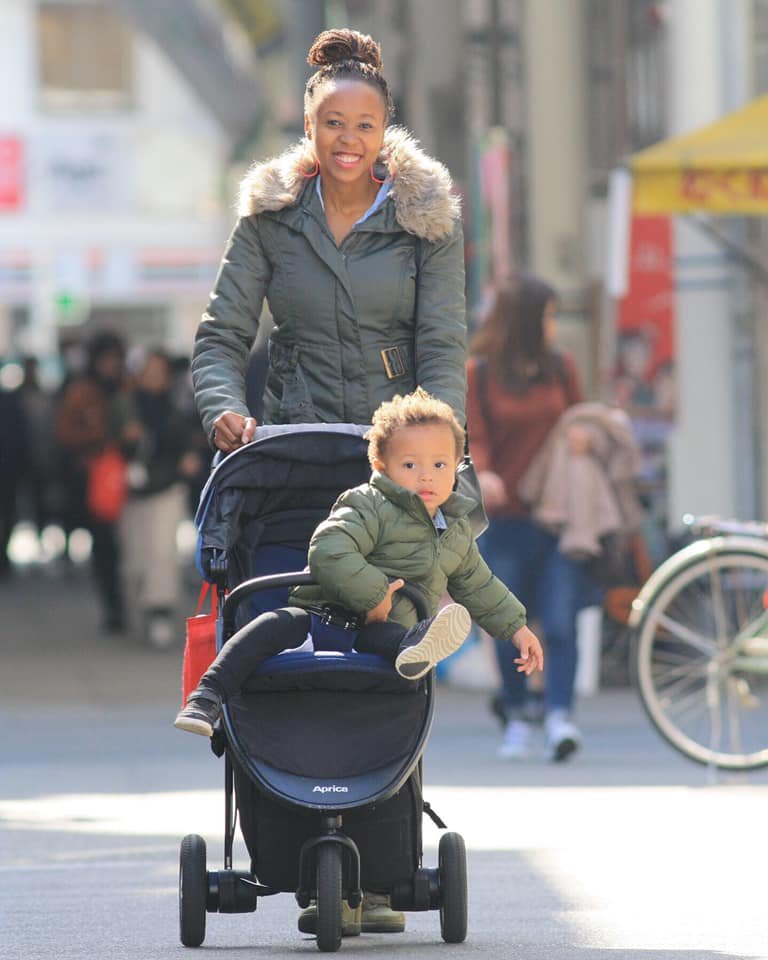
One thing I didn’t fully appreciate until after leaving Japan was just how much movement was built into everyday life.
In Japan, we walked for a living.
We walked to the train station.
Then through the train station.
Then up and down what felt like endless stairs before getting on the train.
Then more stairs when we arrived.
Then out through the station and on to wherever we were going.
And once you got there, the walking often wasn’t over.
If you were visiting a shrine, temple, castle, park, or even just out exploring a neighborhood, there was always more walking to do.
It was just part of life.
I was reminded of that this past weekend when some friends of ours and us decided to take a trail walk with our spouses and kids. We didn’t really have a plan. We just started walking and ended up making it all the way to a conservation park and back. Later, when we checked our steps, we realized we had basically done two 5Ks without even meaning to.
It felt like such an achievement.
And yet at the same time, it made me laugh a little, because that kind of movement used to be so normal for us in Japan.
A regular day there could easily mean 10,000 to 20,000 steps for me. On especially active days, I’d hit 30,000. Not because I was trying to work out. Just because that was daily life.
That’s one of the things I miss about living there.
Staying active didn’t always feel like one more thing to squeeze into the day. It was already woven into how we lived. And when you pair that kind of movement with the food, the portion sizes, and the overall rhythm of life, it’s easier to see why staying in shape and maintaining good health felt more natural.
Now, it takes more intention.
I have to make an effort to go outside and walk every day. I’ll park farther away at the supermarket just to get a little extra movement in. I look forward to park time with the kids because it gets all of us outside and moving.
My son is signed up for the spring soccer league right now, and I’ve really been enjoying going outside with him daily to practice. We do runs, drills, and play little best-out-of-10 games. It helps him build his skills, but it’s also become a good way for me to stay active too.
I’ve realized how much I want to keep being that kind of parent. The one who plays tag, runs around outside, and stays present in those little moments.
I also take a karate class with my son once a week. At first, it was mainly to help keep him accountable. But honestly, I think I’ve benefited from it just as much, if not more, than he has.
The older I get, the more I realize how easy it is to become sedentary if movement isn’t built into your environment.
And in a place where daily life doesn’t naturally require as much walking, you have to become more intentional about it.
But there are ways.
Take walks with your family.
Play outside with your kids.
Park farther away.
Take the stairs when you can.
Join the cardio class.
Do what you need to do to make movement part of your life.
Because staying active doesn’t only benefit your body. It helps your mind, your energy, and even the way you show up for the people around you.
Living in Japan taught me that exercise doesn’t always have to look like exercise.
Sometimes it just looks like living well.
Almost Five Years Since We Left Japan
This June 28th will mark five years since we left Japan.
Five years.
Some days it feels like a lifetime ago.
Other days, it feels like we just stepped away for a moment.
Every now and then, my phone reminds me.
An old photo appears.
A video I didn’t even remember taking.
A walk through a familiar street.
A meal shared with friends.
A small, ordinary moment that once made up our everyday life.
Sometimes it’s not even my memories that resurface.
It’s my in-laws sending back photos we had shared with them while we were living there.
Moments we lived in real time, now returned to us as memories.
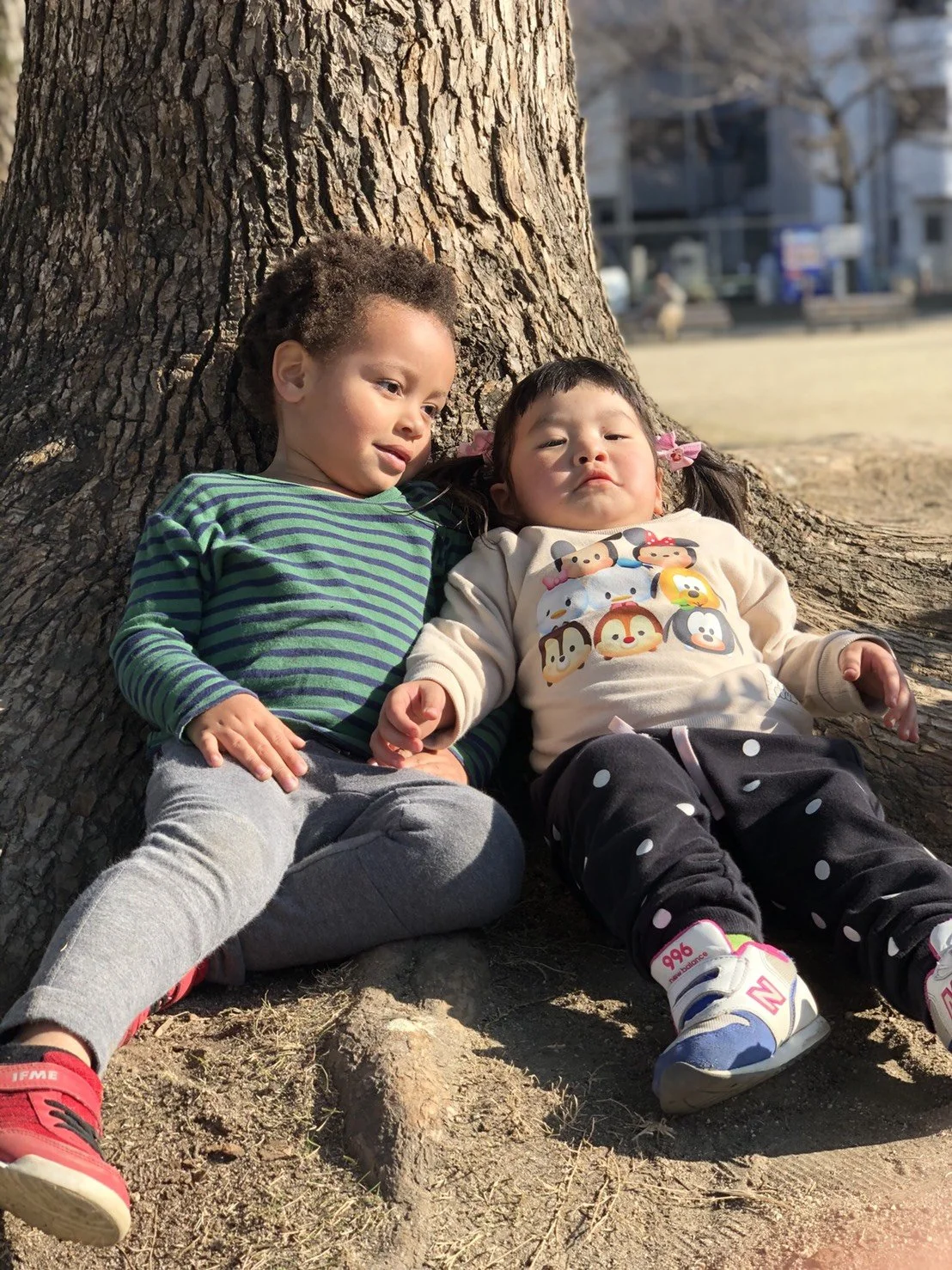
We often sit with our son, Zay, and look through these photos and videos together.
He was born in Japan.
It is his first home.
He remembers some things.
And some things, he doesn’t.
There are moments when he’ll look at a photo and say,
“I remember that.”
And others when he’s quiet, trying to piece together a memory that feels just out of reach.
Since moving to the U.S., we’ve talked many times about going back.
Not just to visit but to return, even if only for a short while.
We want to go while he is still a child.
So he can experience Japan not just through stories and pictures, but through his own eyes again. Through that same sense of wonder.
And now, with Christiana, it feels even more important.
We want her to experience Japan as a child too.
Partly, if I’m honest, so we can relive those early years we had with Zay.
But also so that, as a family of four, we can share something that shaped us so deeply.
I remember when I first moved to Japan on my own.
No one in my family had ever been there.
There were so many moments I tried to explain - stories, experiences, small cultural nuances - but it was hard for others to fully understand.
And then my sisters came to visit.
And everything changed.
Suddenly, the stories made sense.
They could walk the same streets.
Eat at the places I loved.
Meet the people who had become my community.
They could feel it for themselves.
And in that shared experience, something deeper formed between us.
A connection I can’t quite put into words.
That is what we want for our children.
When we left Japan, we were a family of three.
Now, we are four.
And we dream of going back, not just to revisit a place, but to reconnect with a part of our lives that still lives within us.
We talk about visiting Zay’s old schools.
Letting him show his little sister where he once played, learned, and grew.
Sitting with friends who knew him at the age she is now, remembering those early years together.
We want to bring our family back to a place that once held us so fully.
A place that shaped us, quietly and deeply.
A place we still call home.
And maybe that’s what returning is about.
Not just seeing a place again, but sharing it with the people you love, so it becomes part of their story too.
The Version of You That Japan Brings Out
There’s a version of you that Japan brings out. It’s not loud nor something you plan for.
But somewhere between the train stations, the quiet streets, the small interactions, and just the rhythm of everyday life… you start to notice it.
You start to move a little differently.
At first, it’s subtle.
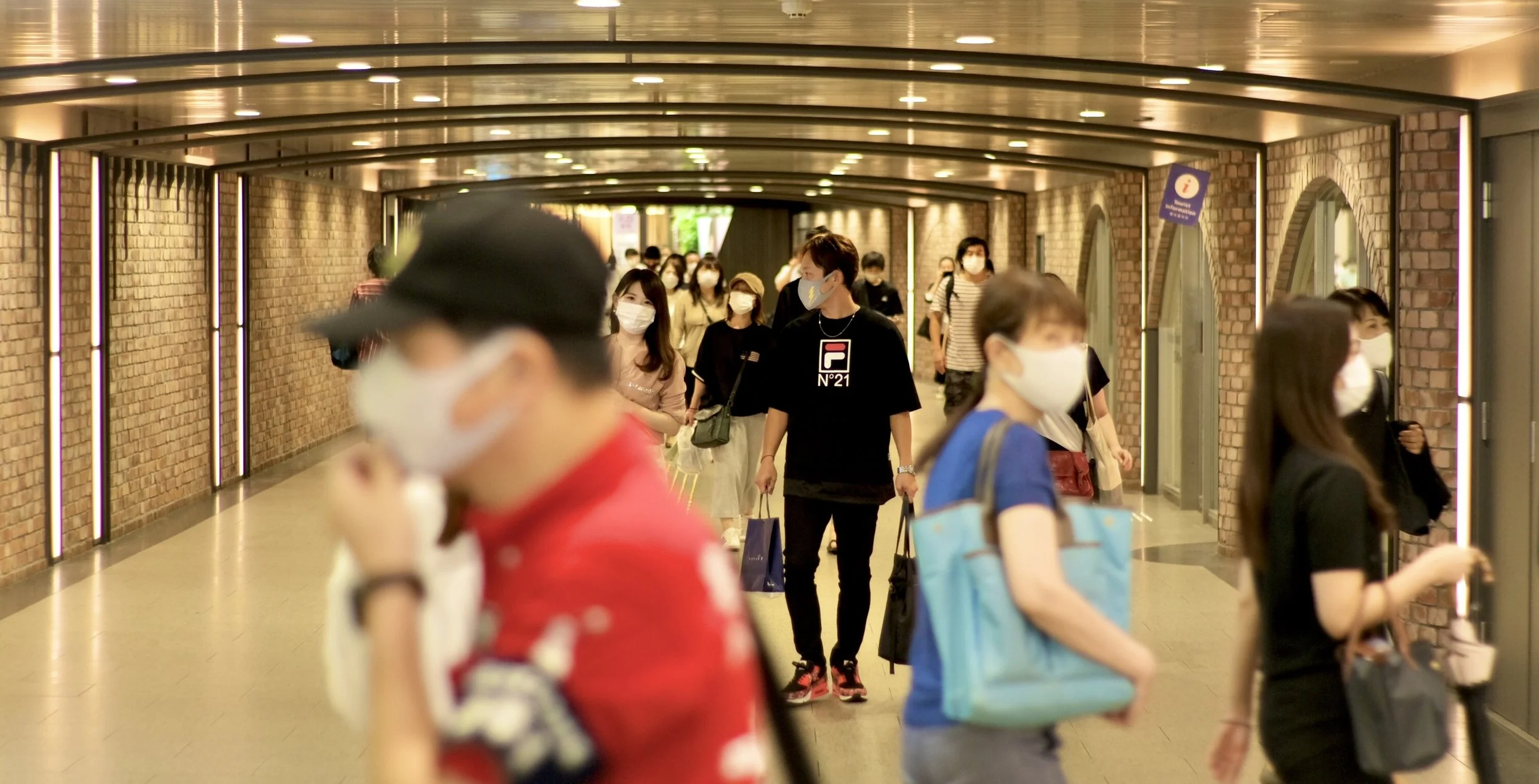
You find yourself standing to the side on escalators. Lowering your voice without even thinking about it. Becoming more aware of the space you’re taking up, and the space others need too.
No one tells you to do it. You just… do. It’s almost like the environment gently pulls you into it. You start noticing things you probably would have missed before.
The way people line up without being asked.
The way someone steps aside so another can pass.
The quiet exchanges that happen without words.
All these small, considerate actions that just keep repeating themselves throughout the day.
And slowly, without even realizing it, you start to mirror it. You become more present.
More observant.
More aware.
You walk more.
Not just because you have to… but because everything around you feels worth walking through.
The side streets.
The little cafés tucked away in corners.
The quiet parks in the middle of busy cities.
You start to realize that not everything needs to be rushed. That there’s actually something really beautiful about slowing down… even in a place that feels so fast from the outside. You start to trust differently too. You leave something behind and don’t feel that immediate panic. You move through crowded spaces that somehow don’t feel chaotic.
There’s a kind of order… but it doesn’t feel forced.
It just feels shared.
And maybe one of the most surprising things… you feel calm.
In places that you would normally expect to feel overwhelmed.
Busy train stations.
Crowded crossings.
Full streets.
And yet… it doesn’t feel the way you thought it would.
Because there’s a rhythm to how people move.
A quiet understanding. An awareness of each other that’s hard to explain until you experience it. And then you start noticing something else. Not just in yourself, but in other people too.
I remember seeing people share in travel groups before their trips to Japan how anxious they felt. Worried about whether they’d be able to navigate everything.
The trains.
The language.
Just… the unknown of it all.
And then they’d come back and say something completely different. That the anxiety they carried in didn’t really follow them the same way while they were there. That somehow, in the middle of it all, they felt calmer than they had in a long time.
I’ve heard people say similar things in other ways too. That they were worried about food - especially if they were picky eaters - but ended up enjoying things they didn’t expect. That small, everyday discomforts they were used to carrying just felt… lighter. Not because everything was perfect, but because something about the environment made things feel easier.
More manageable.
More thoughtful.
And it really makes you wonder what it is.
What is it about a place that can quietly shift the way you feel in your own body? The way you move. The way you experience a day.
Maybe it’s the order.
The cleanliness.
The predictability of how things work.
The way people move with awareness of each other.
Or maybe it’s something you can’t fully explain. Something you only really understand once you’ve been there. And even then… it’s hard to explain to someone who hasn’t. It might also explain why people keep going back. Not just once, but again and again. Why Japan becomes a place people return to every year… sometimes more than once. Why some people go for a short time and end up staying for decades.
I get that. It’s the reason I went… and didn’t leave for 14 years.
Japan has a way of showing you what’s possible.
Not by telling you.
But just by the way it exists.
In the smallest, most everyday moments.
And while you might arrive as a visitor, you don’t leave exactly the same. You carry something with you.
A different awareness.
A softer way of moving through the world.
A deeper appreciation for the small things that make shared spaces work, no matter how small they are.
It doesn’t mean you become a completely different person. But it does feel like you’ve met another version of yourself.
One that’s a little more present.
A little more thoughtful.
A little more aware of the people around you.
And once you’ve experienced that… It’s really hard to forget.
And it’s part of why I believe Japan is not just a place you visit… but a place you experience. One that gently changes the way you move through the world, long after you’ve left.
The Happiness of Seasons in Japan
One of the quiet joys of living in Japan was always having something to look forward to.
The year didn’t feel like one long stretch of time. It unfolded in chapters.
Each season arrived carrying its own rituals, some big, some small, that brought people together in ways that felt simple and joyful.
Spring came first.
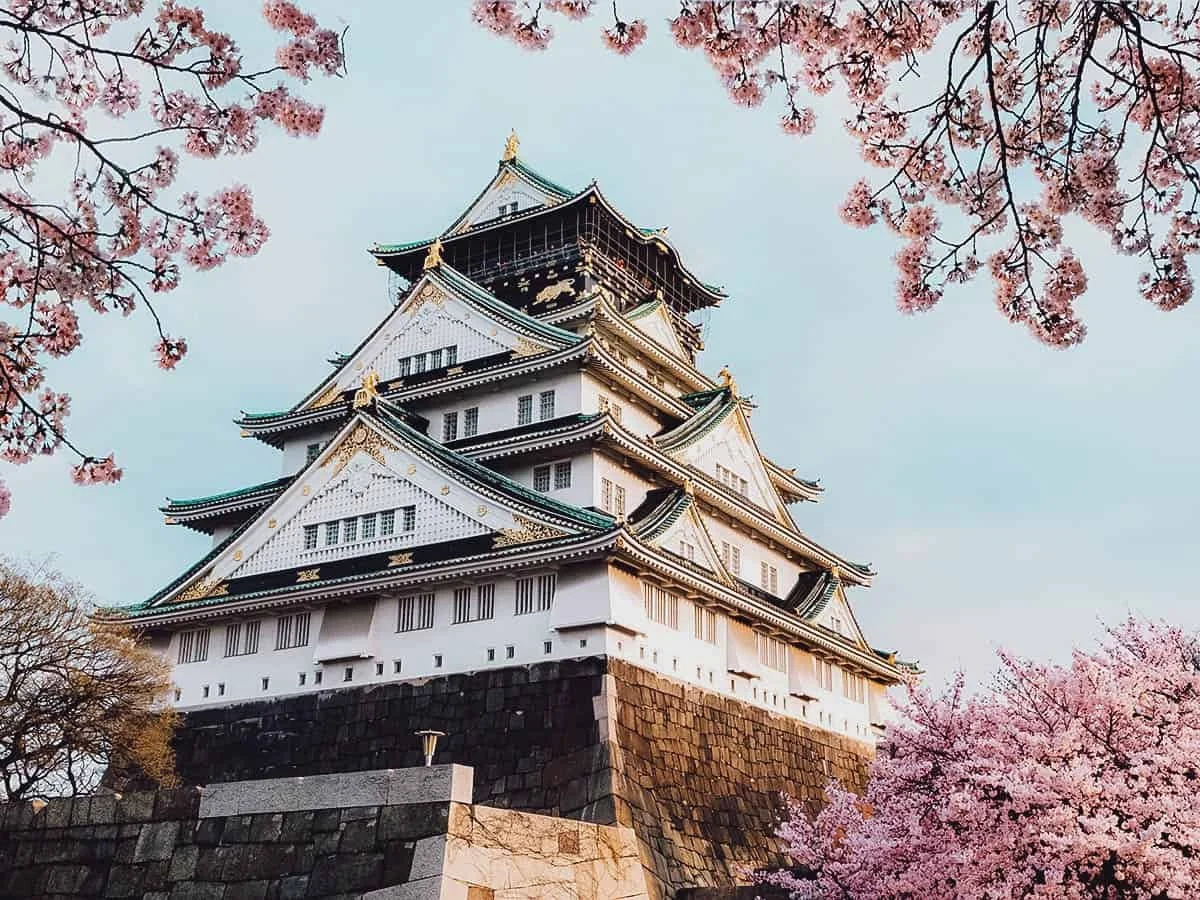
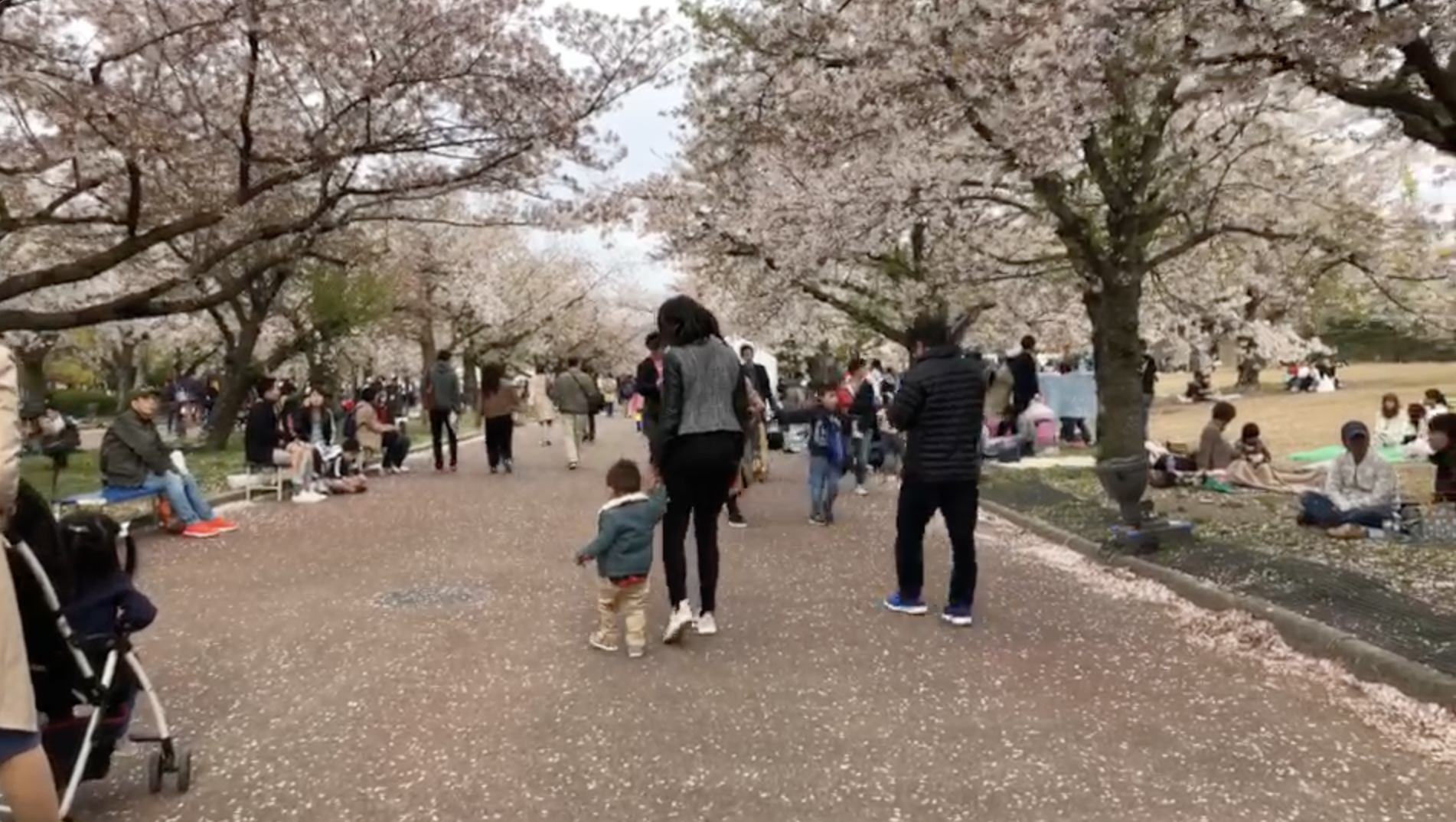
With it came the cherry blossoms: fleeting, soft, and impossible to ignore. We gathered under them with friends and coworkers, sharing food and laughter beneath trees that would soon lose their petals. Some evenings were spent at temples lit for night viewing, where the blossoms glowed softly against the darkness. Other days were slower, walking along the riverbanks near Sakuranomiya Station, picnicking at Osaka Castle, or riding pedal boats at Banpaku Park. Even the seasonal sakura sweets felt like part of the celebration.
Summer arrived hot and heavy, but full of life.
July 7th brought Tanabata, the story of star-crossed lovers separated by the Milky Way. We wrote wishes and tied them to bamboo branches, hoping the heavens might hear. Festivals followed like Tenjin Matsuri in Osaka and Gion Matsuri in Kyoto, where we dressed in yukata and wandered through music, dance, and street food.
Fireworks filled the skies, another evening spent in yukata.
Rooftop beer gardens opened.
Outdoor barbecues and night markets turned even the hottest evenings into shared experiences.
To soften the heat, parks came alive with cooling rituals of their own. Splash pads for children, shallow water channels to dip tired feet into, and gentle mist sprays that cooled you as you walked, not unlike what you might expect at a theme park. These small comforts made summer feel less endured and more shared.
Summer also meant the ocean, and for us, often Shirahama Beach. Time there was less about sightseeing and more about being together with our Japanese family: exploring Adventure World, karaoke nights, nature walks, foot baths, and the comforting rhythm of delicious family meals. Sometimes we caught fireworks on the shoreline. Sometimes we simply rested.
As summer ended, the mountains lit up.
In Kyoto, giant kanji bonfires appeared against the night sky, a farewell to the season that always felt both dramatic and peaceful.
Autumn followed with cooler air and the deep reds of the momiji leaves.
Hiking became a ritual, the mountains revealing colors that seemed to change daily. Rivers and waterfalls felt especially alive beneath the foliage. Temples lit their pathways for evening leaf viewing, candles glowing in small sand-filled bags that lined the walkways.
Markets and homes filled with seasonal flavors like roasted sweet potatoes from street vendors, chestnut desserts, and warm bowls that felt perfectly matched to the cooling air.
Parks became places to linger again. Picnic blankets returned, this time beneath crimson and gold instead of pale pink. Even train rides felt different, as the countryside slowly shifted into autumn tones outside the window.
And then winter arrived with its own quiet comforts.
With it came warm coats, steaming bowls of Nabe and evenings spent under the kotatsu, where I’ll admit I fell asleep more than once.
Onsen visits became even more enjoyable in the colder months, when stepping into steaming baths felt like the perfect antidote to winter air.
In Osaka, snowflakes would sometimes drift down, rarely staying long enough to blanket the ground, but just enough to bring excitement when they did. And when we wanted more, it was never far away. A short train ride could take us to snow-covered scenes in Kyoto or Shiga, or further still, to ski trips in the mountains of Niigata.
Those trips often ended the same way, with hot chocolate, sweet Japanese curry, and the deep relaxation of an onsen after a day in the cold.
Cities transformed with winter illuminations, like the Luminarie displays that made nighttime feel magical. German Christmas markets appeared, serving warm drinks and festive foods. New Year brought special meals and mochi-pounding festivals. Soon after came Setsubun, another reminder that seasons turn, and life moves gently forward.
Within each season, there was always something to gather around.
Osaka, in particular, celebrated not only Japanese traditions but global ones too: German beer festivals, Thai festivals, Mexican fiestas, Indian celebrations, Chinese New Year, to name some.
The seasons became less about weather and more about rhythm.
Something was always coming.
Something was always shared.
And it was often in those simple, repeated rituals that we found our deepest joy and some of our greatest memories.
Even now, my Japanese friends still send photos of cherry blossoms in spring and autumn leaves in fall without fail.
From so far away, those small gestures make me feel close again. For a moment, I picture myself right there with them and it almost feels as though I never left.
Living in Japan taught me that happiness doesn’t always arrive in grand moments. Sometimes it returns quietly, season after season.
Living in Japan Changed How We Parent
Living in Japan changed how we think about parenting in ways we didn’t expect.
When we first moved there, we didn’t arrive with a plan to adopt a new parenting philosophy. At the time, we weren’t even parents yet. We were simply observing how children existed in public spaces and how society responded to them. Over time, those observations stayed with us.
In Japan, children are trusted early. You see young kids walking to school together, navigating public transport, and moving through neighborhoods with a quiet sense of responsibility. That trust isn’t accidental. It’s built through consistency, clear expectations, and daily modeling: from adults, schools, and the wider community.
Children aren’t treated as separate from society. They’re part of it.
That perspective stayed with us and eventually shaped how we parent today. It made us more aware of what we model for our children, not just what we say to them. How we speak to others. How we move through shared spaces. How we acknowledge mistakes, apologize, and take responsibility. Children absorb far more from what they see than what they’re told.
Before becoming parents, both of us spent years teaching at the preschool level in Japan. At the time, we thought we were simply becoming better teachers. We didn’t realize we were being quietly prepared for parenting.
Working with young children taught us how to meet them where they are physically, emotionally, and developmentally. We learned to get down to their level, to speak with them rather than at them, and to communicate in ways they could truly understand. That shift alone changes the entire dynamic between adults and children.
Teaching large groups of young children also taught us patience, not the forced kind, but the practiced kind. The kind that comes from understanding that children are still learning how to regulate their emotions, their bodies, and their reactions to the world around them.
One of the most valuable lessons we learned was the power of preparation. In Japanese early childhood environments, adults consistently explain what’s coming next — the plan for the moment, the activity, or the day. This isn’t about control. It’s about respect. When children understand what to expect, they’re mentally prepared. Many meltdowns aren’t about behavior at all - they’re about miscommunication. Clear explanations help children feel safe, informed, and included.
We also learned the importance of allowing space for big feelings. Children weren’t rushed out of their emotions or distracted away from them. Instead, adults stayed close. Sitting quietly beside a child, offering reassurance, and letting them know everything was okay and that they were loved, went a long way in helping them regulate and recover. That kind of presence builds confidence and trust.
Safety was another constant focus. Adults kept a steady, attentive eye on children and regularly reviewed safety expectations through gentle reminders rather than fear-based rules. Over time, children internalized those expectations and learned to look out for themselves and others.
One of the things we admired most was how strongly Japanese culture protects childhood.
In the early years, especially through preschool, the focus is on play, social development, life skills, and learning how to exist alongside others. Children are encouraged to explore, move, create, and interact. They learn how to care for their belongings, put things away, clean up after play, and communicate kindly with one another. Academic learning is introduced gradually, but it isn’t the center of early childhood. The priority is developing the whole child.
Through this approach, we saw a quiet strength grow in children. Even at a young age, many Japanese children demonstrate order, self-awareness, and calm confidence. That doesn’t come from strictness. It comes from consistency and example. Children are learning not just from what they’re told, but from what they see modeled every day.
Outside the classroom, we also found community. We were part of a network of women, Japanese and foreign mothers, who organized cultural, social, and educational events for families. Fathers were involved too. We gathered with our children for shared activities, celebrations, and learning experiences that bridged cultures and created a sense of belonging. Those moments reinforced what we were seeing daily: children thrive when adults work together and model cooperation, respect, and care.
These lessons stayed with us.
As parents now, we draw from those years constantly. We reflect on how we’re doing - much like we would have as teachers in a classroom. We talk things through. We adjust. We stay aware. Being on the same page has helped us parent with consistency and intention.
Living in Japan didn’t give us a parenting rulebook. But it gave us something far more valuable: a lived understanding of how patience, presence, and respect shape children into confident, grounded humans.
Parenting, like travel, isn’t about control. It’s about guidance, observation, and trust. Living in Japan reminded us that children are capable of far more than we often give them credit for, especially when they’re surrounded by a community that expects them to belong, contribute, and grow.
Finding a Slow Japan Inside a Fast One
Japan is often described as fast.
The trains are precise. The cities move efficiently. Workdays are long. From the outside, it can look like a place defined entirely by motion and productivity.
But living there taught me something else.
Beneath that speed is a culture that knows how to slow down: intentionally, collectively, and without apology.
One of the clearest examples of this is spring.
When cherry blossom season arrives, people don’t rush through it. They make time for it. Families, friends, coworkers, former classmates… everyone gathers beneath the trees. Entire days are spent outside. People picnic, barbecue, sing karaoke, read, nap, talk, and simply exist together. The blossoms don’t last long, and everyone knows it. That fleeting nature is exactly why the time is honored so fully.
It’s one of the happiest times to see people out and about, especially after the cold of winter. There’s a shared understanding that this moment matters.
That same approach shows up in how people spend time together year-round. Meals with friends or family are rarely rushed. Sitting, eating, drinking, and talking often stretch late into the night. People take the last train home, and if they miss it, they make simple accommodations - a capsule hotel, an internet café - and show up the next day ready to continue life. Sometimes tired, sometimes hungover, but present.
The point isn’t excess.
It’s presence.
Japan works hard, but it also knows how to fully show up for moments of rest, connection, and appreciation.
Nature plays a central role in this rhythm. Parks are lived in, not just passed through. People walk, sit, stretch, and gather. Elderly residents exercise together in the mornings. Families linger. Individuals take quiet breaks on benches beneath trees. The natural world isn’t something you escape to. It’s something you live alongside.
Shrines, temples, and gardens offer another kind of pause. These are spaces designed for stillness. Places where the pace slows naturally, where silence and observation are part of the experience. You don’t rush through them. You adjust to them.
Living in Japan taught me that slowing down doesn’t mean disengaging from life. It means paying attention to it.
When people visit Japan and try to see everything, they often feel overwhelmed. There’s too much to do, too many places to go. But when you allow yourself to move at a sustainable pace, something shifts. You notice details. You feel less like a visitor and more like a participant. The country begins to reveal itself in quieter ways.
Japan isn’t slow on the surface.
But it makes space for slowness and invites you to step into it.
That contrast is what stays with people long after they leave.
Some of the most meaningful experiences in Japan don’t happen when you’re moving fast, but when you allow yourself to slow down enough to notice where you are.
What Japan Taught Me About Community
Living in Japan changed how I understand community.
Before Japan, I thought of community as something that formed naturally through shared interests, proximity, or familiarity. In Japan, I learned that community is something you actively participate in, often through small, unspoken actions repeated every day.
Community, I learned, isn’t just about belonging to a group. It’s about taking responsibility for shared space.
That understanding stayed with us long after we left.
Even now, years later, those lessons show up in unexpected ways. My husband still walks around our local park with a trash bag, picking up litter as he goes. It’s not performative. It’s instinct.
When we sit down to eat in shared public spaces, at places like Shipwreck Island or Sam’s Club, it’s not uncommon to find tables left with trays, cups, wrappers, or spilled sauces long after the previous group has gone. Before we sit, we take a moment to clean the space so it’s usable again. When we’re done, we clean up after ourselves, leaving the table a little better than we found it.
These aren’t grand gestures, and they aren’t meant as commentary on others. They’re simply habits we picked up while living in a place where shared space is treated as an extension of the community, not something to be left behind for someone else to handle. Once you become accustomed to caring for the spaces you share with others, it’s hard to walk away thinking, this isn’t my responsibility. The idea that someone else is paid to clean up after me no longer feels natural.
These habits weren’t taught through lectures. They were modeled everywhere.
At the preschool where I taught, there were no hired cleaners. Teachers were responsible for the school together. We cleaned classrooms, vacuumed floors, washed dishes used for snacks, and scrubbed both adult and child-sized toilets at the end of the day. Cleaning shifts weren’t a punishment; they were part of the job. That shared responsibility meant everyone had a stake in the environment the children learned in.
As children grew older, they took on that responsibility themselves. In elementary schools, students clean their own classrooms, hallways, and bathrooms. They serve lunch and clean up afterward. The message is simple: this space belongs to all of us, and caring for it is part of being a member of the community.
That philosophy extends beyond schools.
In apartment buildings, it’s common to see elderly residents sweeping outdoor walkways, tending small garden areas, or keeping trash collection spaces clean. Not because they are required to, but because they live there. The space reflects the people who inhabit it.
Public trash cans are rare in Japan, so people adapt. Many carry small bags for their own trash, holding onto it until they get home. The expectation isn’t that someone else will take care of it. The expectation is that you will.
Over time, this changes how you move through the world. You become more aware of your presence. You notice how your actions affect others. Community stops being an abstract idea and becomes something you help maintain.
It doesn’t feel restrictive. It feels grounding.
Community, in this sense, means treating shared spaces and shared life with the same care you would give your own home. It means understanding that responsibility doesn’t end at your front door.
That lesson followed us across oceans.
We see it in how we travel, how we parent, and how we interact in public spaces. We see it in the small choices we make when no one is watching.
Japan taught me that community isn’t loud or dramatic. It’s quiet. It’s consistent. It’s built through care practiced daily.
Japan is worth visiting not just for its beauty, but for the way it invites you to consider how you live alongside others. And sometimes I wonder what the world might look like if we carried even a little of that care into the communities we call home, creating spaces worth living in and raising our children in, wherever we are.

Grieving my Japan
I didn’t expect to grieve Japan.
When I first traveled there, I arrived on a visitor’s visa with no long-term plan. I thought I might stay a year, maybe two at most, if I decided to extend my time. But two weeks into my visit, I was offered a job that led to a work visa, and suddenly my life took a turn I hadn’t planned. I remember calling my family from a phone at the company’s workplace to tell my parents I was going to stay. What I didn’t know then was that this decision would turn into many years…most of my adult life, and shape who I became.
I expected to miss Japan. The food. The streets. The rhythm of daily life. I expected nostalgia. What I didn’t expect was grief. At first, the word felt too heavy for a place I chose to leave. Over time, I realized it was the most honest way to describe what I felt.
I lived in Japan for fourteen years. I arrived in my twenties and left just days after my fortieth birthday. In between, Japan held my work, my friendships, my marriage, and my first years of motherhood. It influenced how I moved through the world, how I treated people, and how I thought about responsibility and community.
Leaving wasn’t sudden or dramatic. It was a decision made thoughtfully and with care. Still, the grief came.
What I was grieving wasn’t only a country. I was grieving a version of myself that existed only there. A life shaped by a particular rhythm and way of living.
Life in Japan quietly teaches you to think about others. You line up. You clean up after yourself. You pay attention to how your actions affect the people around you. These things aren’t constantly explained or enforced. They’re simply expected. Living within that kind of system leaves an impression. It certainly did on me.
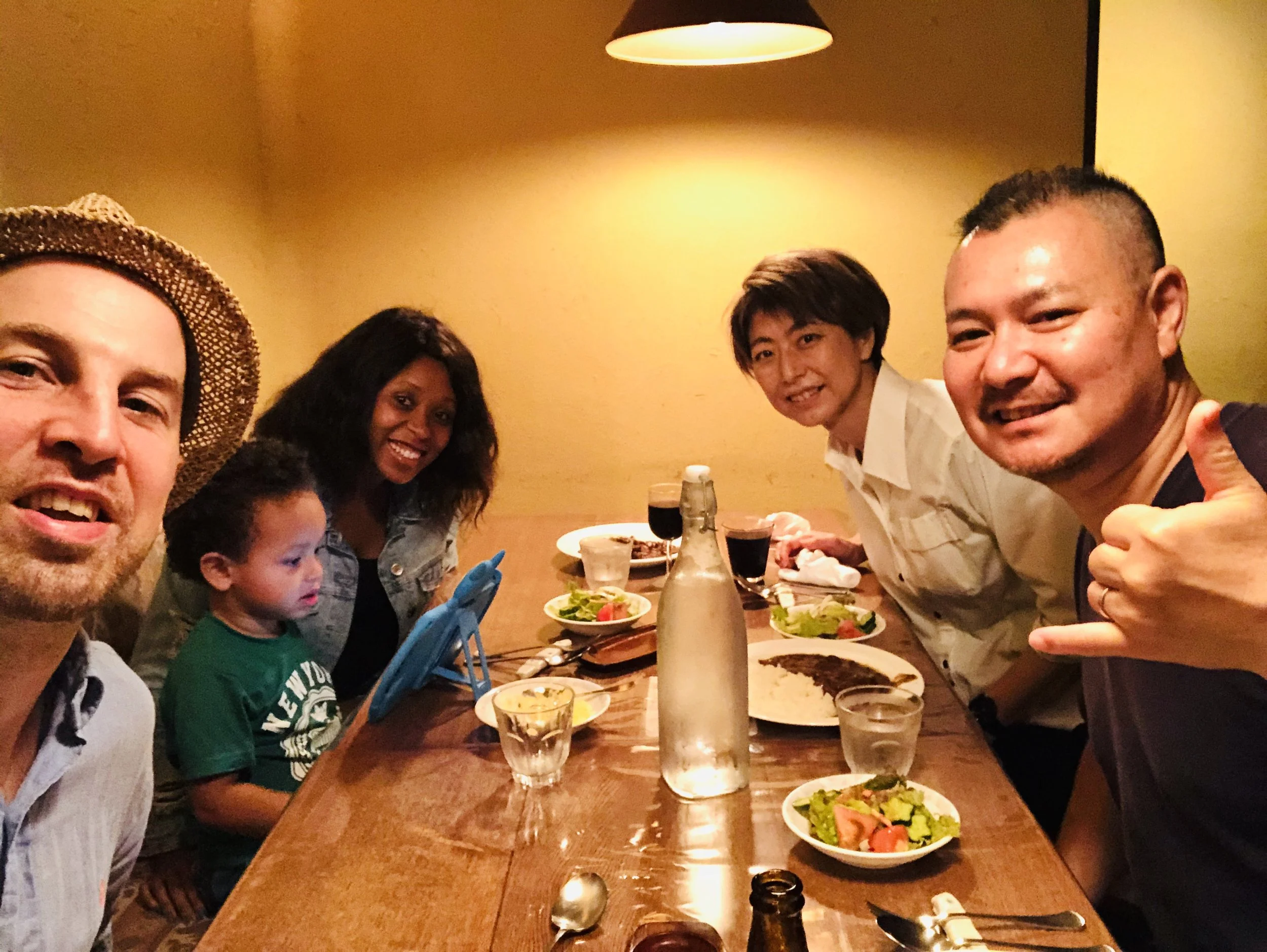
One of the greatest gifts of my time in Japan was the community I found. That community included Kenyans, other foreigners from all over the world, and Japanese friends who chose to open their lives to us. Over time, we were welcomed into homes, invited to celebrations, shared meals, and included in ordinary moments that mattered more than we realized at the time.
We formed close friendships across cultures and languages. In Japan, nationality mattered far less than effort, presence, and care. Those relationships grounded us. They showed me that belonging isn’t always about where you’re from, but about how you show up.
Living in Japan also meant understanding that most of us wouldn’t stay forever. Very few foreigners arrive expecting to. Perhaps that’s why we lived so intentionally. Time felt limited, even when we didn’t know exactly how much of it we had. People came and went constantly. Each departure was marked by another sayonara party. They were always bittersweet - full of laughter, shared memories, and the quiet sadness of knowing it was the last time we’d all be together in that way. We learned how to say goodbye often, and in doing so, we learned how to be present.
Japan can be lonely. Anyone who has lived there as a foreigner knows this. I don’t pretend otherwise. What made my experience meaningful was knowing I wasn’t alone. We had a network of people who held us: friends from many countries who became family; my younger sister, who later moved there and built her own family; Kenyan friends I could meet from time to time to speak in our mother tongues; and a Kenyan roommate and close friend who anchored me in the early years. We also had Japanese friends who welcomed us deeply and treated us like family.
My life in Japan wasn’t sustained by independence or resilience alone. It was sustained by people.
Living there also changed how I understood my first home, Kenya. Growing up in a place rooted in community and shared responsibility prepared me for Japan more than I realized at the time. When I think about growing up in Kenya now, I see values that later felt familiar in Japan: hard work, care for others, and a sense of collective life.
There’s a saying my grandmother and parents often shared: He who never leaves his village believes his mother’s cooking is the best.
I didn’t leave to reject where I came from. I left to understand it.
Before boarding my flight to Japan all those years ago, I was reminded of something important: if I didn’t like the air there, I had a home with air I already knew and loved. I could always come back. Knowing that made it easier to stay, to grow, and eventually, to leave.
Today, I live in America — a country that first introduced me to life abroad over 2 decades ago and later became home to my husband again, my children, and our present life. My children hold more than one citizenship. My son was born in Japan. I now dream in Japanese as often as I do in other languages. Kenya feels rooted deep in my body. Japan lives in how I think and feel. America holds where I am now.
I don’t know which place feels most like home in my body and which lives more in memory. I’ve stopped trying to separate the two.
Grieving Japan doesn’t mean I wish I had stayed forever. It means I’m acknowledging a chapter that mattered deeply. A place that asked a lot of me, gave me just as much, and shaped me in ways I still carry.
That understanding is also why I care so much about how others experience Japan, not just as visitors, but as people stepping into a place that may stay with them long after they leave.